
JLPT N4 Grammar – Difference between “〜てある” and “〜ている”

Table of Contents
1. Difference between “〜てある” and “〜ている”
2. 〜てある
3. 〜ている
4. Let’s Compare
5. Summary
6. Similar Articles
7. Comments
Q: What is the difference between “〜てある” and “〜ている”?
A: Both express the result of an action, but “〜てある” shows a state that remains as the result of someone’s intentional action, while “〜ている” indicates a state that continues naturally after a change has occurred.
Also, “〜てある” is used with transitive verbs, and “〜ている” is basically used with intransitive verbs.
〜てある (JLPT N4)
[Meaning]
Indicates that a certain state is intentionally maintained as the result of someone’s action
[Rule]
[V] Verb て form + ある
[Examples]
あそこに観光のポスターが貼ってあるよ。
There’s a sightseeing poster put up over there.
この公園はいつもきれいに掃除してあります。
This park is always cleaned and kept tidy.
もう資料は準備してありますよ。
The materials have already been prepared.
“〜てある” is used to express the state that results from an action intentionally done for a specific purpose. In other words, it shows a situation where something remains as the result of someone’s deliberate action.
[Examples]
観光客でも分かりやすいように、道に地図が貼ってあります。
A map has been put up on the street so that even tourists can easily understand.
→ The purpose is “to help tourists avoid getting lost,” showing that the map was intentionally placed for that reason.
いつでもメモできるように、ポケットにノートを入れてあります。
A notebook has been placed in the pocket so it’s always ready for taking notes.
空気を入れ替えるために、窓を開けてあります。
The window has been opened to let in some fresh air.
“〜てある” is also often used to express a state where preparations have been completed.
[Examples]
次の会議の進行表はもう作ってあります。
The agenda for the next meeting has already been prepared.
もう資料は準備してあるので、いすと机を並べてください。
The materials are ready, so please arrange the chairs and tables.
新幹線とホテルはもう予約してあるので、あとは詳しいスケジュールを決めましょう。
The Shinkansen and the hotel have already been booked, so let’s decide the detailed schedule next.
〜ている (JLPT N4)
[Meaning]
Indicates that after a change has occurred, the resulting state continues at present
[Rule]
[V] Verb て form + いる
[Examples]
かばんが開いていますよ。
Your bag is open.
あれ、時計が止まっていますね。
Oh, the clock has stopped.
寒いと思ったら、窓が開いていました。
No wonder it’s cold — the window was open.
“〜ている” is used to describe a state as it is seen, regardless of whether it happened intentionally or naturally.
In many cases, the event had already occurred before the speaker noticed it.
[Examples]
A:あのう、かばんが開いていますよ。
B:あ、本当だ。気が付きませんでした!
A: Um, your bag is open.
B: Oh, you’re right. I didn’t notice!
→ A is simply describing the state that the bag is open, and this condition had already occurred before A spoke.
あの部屋、電気がついているけど、まだ誰か使っているのかな。
That room’s light is on — I wonder if someone is still using it.
このパソコン、動きませんね。壊れているようです。
This computer isn’t working. It seems to be broken.

JLPT N4 Grammar
Uses of “〜ている” Beyond
the Present Progressive Tense
Let’s Compare
“〜てある” expresses the state that results from an intentional action by someone,
while “〜ている” is used to describe the state as it is observed, regardless of whether it happened intentionally or naturally.
However, this distinction is often made intuitively by native speakers,
so it can be difficult for learners to clearly grasp.
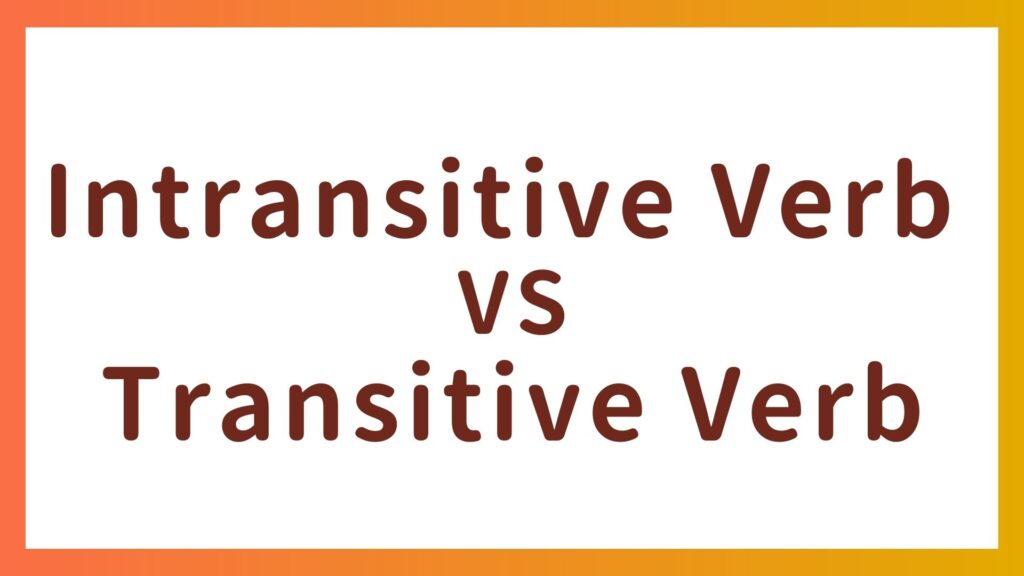
To understand it more easily, let’s first look at the types of verbs that can be used with each expression.
“〜ている” is used with intransitive instantaneous verbs such as 開く and 閉まる,
whereas “〜てある” is used with transitive verbs such as 開ける and 閉める.
| Verb Type | 〜てある | 〜ている |
|---|---|---|
| Intransitive Verb | × | ○ (instantaneous verbs) |
| Transitive Verb | ○ | × |
JLPT N4 Grammar
Japanese Intransitive and Transitive Verbs
Understanding this distinction makes it clear which expression sounds more natural.
[Examples]
① パンフレットが置いてあります。
② パンフレットが置いています。
The correct one is ①.
“置く” is a transitive verb, and since pamphlets are placed for people to take, “〜てある” is the appropriate form.
Next, let’s compare “つく” (an intransitive verb) and “つける” (a transitive verb).
[Examples]
① 電気がつけてあります。
② 電気がついています。
① expresses that “someone intentionally turned on the light,”
while ② shows that “the light remains on.”
These two forms can create the following natural conversation:
[Examples]
A:あれ、あの部屋、電気がついているね。消すね。
B:待って、あとで使うからつけてあるんだ。
A: Oh, the light in that room is on. I’ll turn it off.
B: Wait, leave it on — I turned it on because I’m going to use it later.
→ A notices that the light is on, and B explains that it was intentionally left on to be used later.
Summary
[〜てある]
- Expresses the state that results from an action intentionally done for a certain purpose by someone.
- Used with transitive verbs (e.g., 開ける, 閉める).
[〜ている]
- Used to describe a state as it is seen, regardless of whether it happened intentionally or naturally.
- In most cases, the state already existed before the speaker noticed it.
- Used with intransitive instantaneous verbs (e.g., 開く, 閉まる).
Similar Articles
- JLPT N3・N4 Grammar – The difference between “〜あいだに”and “〜うちに”
- JLPT N4 Grammar – The difference between”〜みたいな” and “〜みたいに”
- JLPT N4 Grammar – The difference between “〜ようにする” and “〜ことにする”
- JLPT N2・N4 Vocabulary – The difference between “冷える” and “冷やす”
- JLPT N4・N5 Vocabulary – Difference between the counter “回” and “度”
▼ Subscribe to Our Newsletter ▼
Receive free tips for learning Japanese!


