JLPT N5 Grammar – Difference between “~くする” and “~くなる”

Table of Contents
1. Difference between “~くする” and “~くなる”
2. ~くする/〜にする
3. ~くなる/〜になる
4. Let’s Compare
5. Summary
6. Quiz
7. Similer Articles
8. Comment
Q: How are “~くする” and “~くなる” different?
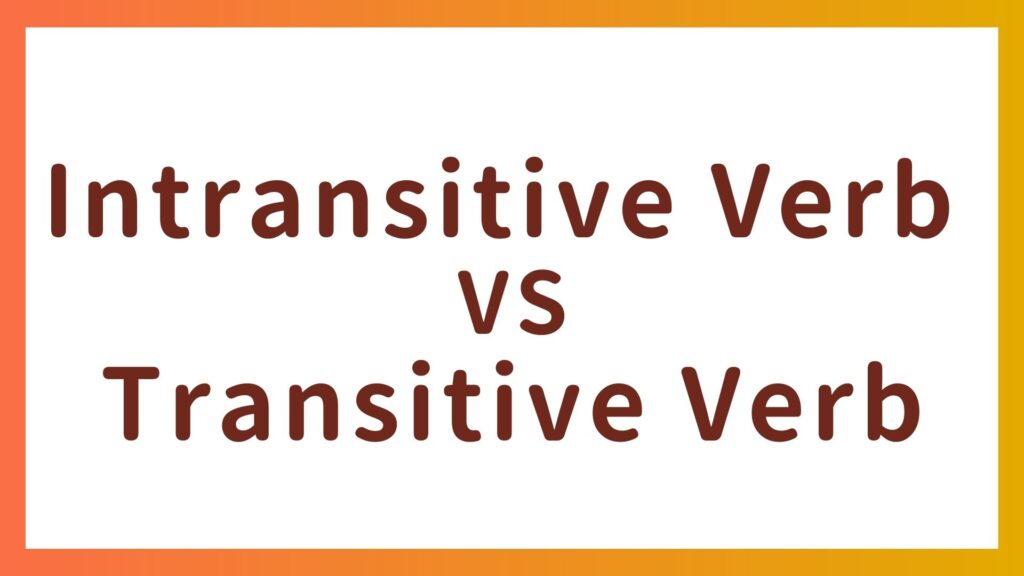
A: Both express a “change of state.” However, “~くする” is used transitively when a person intentionally changes something, while “~くなる” is used intransitively when a change happens naturally.
Let’s check this together!
~くする/〜にする (JLPT N5)
[Meaning]
To give (cause) a change
[Part of speech]
Transitive verb
[Rule]
[A] い adjective い + く + する
[Na] な adjective な + に + する
[N] Noun + に + する
[Examples]
髪を短くしました。
I made my hair short.
部屋をきれいにしました。
I made the room clean.
このピザを半分にして、二人で食べよう。
Let’s cut this pizza in half and eat it together.
“~くする/~にする” shows that a person intentionally acts to change something into a different state.
[Examples]
音がうるさいので、小さくしました。
The sound was too loud, so I made it quieter.
⇒ This shows an intentional action to lower the volume.
部屋の電気を明るくしました。
I made the room brighter by turning on the light.
味がうすいですね、もう少し濃くしましょうか。
The taste is weak, so let’s make it a little stronger.
~くなる/~になる (JLPT N5)
[Meaning]
The state changes naturally
[Part of speech]
Intransitive verb
[Rule]
[A] い adjective い + く + なる
[Na] な adjective な + に + なる
[N] Noun + に + なる
[Examples]
秋になって涼しくなりました。
It became cool in autumn.
メイクをしてきれいになりました。
She put on makeup and became beautiful.
暑さで氷があっという間に水になりました。
Because of the heat, the ice quickly became water.
“~くなる/~になる” shows that the state of something naturally changes and becomes a different state.
[Examples]
この調味料を使うと、もっとおいしくなりますよ。
If you use this seasoning, it will become more delicious.
⇒ This shows that by adding seasoning, the taste naturally increases.
この観光地は冬になるにつれて、暇になります。
This sightseeing spot becomes quiet as winter comes.
大人になったら、海外で仕事をしてみたいです。
When I become an adult, I want to try working abroad.
Let’s Compare
Which of the following is correct?
[Example]
① 雪は解けると水にします。
② 雪は解けると水になります。
The change from snow to water happens naturally, so the correct answer is ② “水になる.”
Also, “~と” is often used when describing natural phenomena.
Now, how about the following example?
[Example]
① 大人にしたら、ぼくはサッカー選手にしたいです。
② 大人になったら、ぼくはサッカー選手になりたいです。
The correct answer is ②.
When words that show a role or quality such as “player,” “teacher,” “father,” or “adult” are used, they express the result of a change into that role or state, so “~になる” is used.
Also, “~たら” is used when talking about the speaker’s intention or about the future.

Let’s check this together!
Summary
[~くする/~にする]
Used as a transitive verb, it shows that a person intentionally acts to change something into a different state.
[~くなる/~になる]
Used as an intransitive verb, it shows that the state of something naturally changes into a different state.
Quiz
Read the following sentence and choose the expression that fits the context from the options provided in the parentheses.
Click on the question to check the answer.
A. 温かくしよう
スープがぬるいから、温かくしよう。
The soup is lukewarm, so let’s make it hot.
*We intentionally change lukewarm soup into hot soup, so “温かくしよう” is correct.
A. 冷たくなりました
寒さで手が冷たくなりました。
My hands became cold because of the cold weather.
*This is a natural change caused by the cold, so “冷たくなりました” is correct.
A. になったら
大人になったら、会社を作りたいです。
When I become an adult, I want to start a company.
*The word “adult” shows a role, so “になったら” is correct.
A. にして
ケーキを半分にしてみんなで食べよう。
Let’s cut the cake in half and eat it together.
*We intentionally cut one cake into two parts, so “にして” is correct.
Similer Articles
- JLPT N5 Vocabulary – The difference between “これ” and “この”

- JLPT N4・N5 Vocabulary – Difference between the counter “回” and “度”
- JLPT N2・N5 Grammar – The difference between “〜ながら” and “〜つつ”
- JLPT N5 Grammar – The difference between “〜だけ” and “〜しか”
- JLPT N4・N5 Vocabulary – The difference between “聞けない” and “聞こえない”
▼ Subscribe to Our Newsletter ▼
Receive free tips for learning Japanese!


I get so lost with verb conjugation even before getting into these grammar points. Do you have any advice?
Our E-book can help you organize and understand Japanese verb conjugations!
We also have a Verb Conjugation Checker that you can use for free.