
JLPT N3・N4 Grammar – The difference between “〜あいだに”and “〜うちに”

Table of Contents
1. The difference between “〜あいだに”and “〜うちに”
2. AあいだにB
3. AうちにB
4. Let’s Compare
5. Summary
6. Quiz
7. Similar Articles
8. Comments
Q: Are there any differences between “〜あいだに” and “〜うちに”?
A: Both express that something happens within a certain time or period, but they do not mean exactly the same thing.
“〜あいだに” indicates that B happens at some point during A, while “〜うちに” indicates doing B while A is still continuing, or that an unnoticed change happens while A is going on.
Let’s look at each of them.
AあいだにB (JLPT N4)
[Meaning]
Something is done, or something happens, at some point during the time period A
[Rules]
[V] Verb Dictionary form + あいだに
[V] Verb ている form + あいだに
[A] い adjective + あいだに
[Na] な adjective + な + あいだに
[N] Noun + の + あいだに
[Points]
It is often used for something that happens at one point within a certain period of time.
It is especially common when the time period is relatively clear.
[Examples]
日本にいるあいだに富士山に登りたいです。
While I’m in Japan, I want to climb Mt. Fuji.
寝ているあいだに蚊にさされました。
I got bitten by a mosquito while I was sleeping.
昼休み前の人が少ないあいだに食事をしてきました。
I had a meal while there were few people before lunchtime.
静かなあいだにこの仕事を終わらせよう。
Let’s finish this work while it is quiet.
夏のあいだにダイエットをしよう。
Let’s go on a diet over the summer.
AうちにB (JLPT N3)
[Meaning]
Do B before A changes, or another change happens while A is continuing
[Rules]
[V] Verb Dictionary form・ない form + うちに
[A] い adjective + うちに
[Na] な adjective + な + うちに
[N] Noun + の + うちに
[Examples]
暗くならないうちに帰ったほうがいいですよ。
You should go home before it gets dark.
若いうちに勉強しておいたほうがいいですよ。
It’s better to study while you are young.
学生のうちに色々なところへ行きたいなあ。
While I’m still a student, I want to visit many places.
晴れのうちに洗濯物を干そう。
Let’s hang out the laundry while it’s sunny.
“〜うちに” is easier to understand if you think of it in two main ways.
① Do something before the chance is gone
The first is doing something before you lose the chance. It is used when the speaker feels that if they do not do something before the current state ends, the opportunity will be lost. In this meaning, it is also often used together with the ない form of verbs that express change.
[Examples]
桜がきれいなうちに花見に行こう。
While the cherry blossoms are still beautiful, let’s go see them.
⇒ This shows that once the cherry blossoms fall, it will no longer be possible to enjoy flower viewing in the same way.
アイスが溶けないうちに食べたほうがいいよ。
You should eat the ice cream before it melts.
② Another change happens before you realise it
The second is when an unnoticed change or an unexpected result happens while A is continuing.
[Examples]
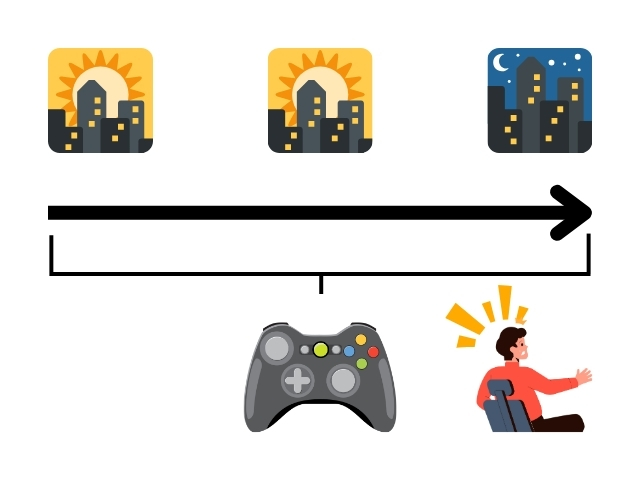
友達とゲームをしているうちに夜になっていました。
While I was playing games with my friends, it became night.
⇒ This means that I was so focused on the game that I did not notice right away that it had become night.
映画を見ているうちに寝てしまいました。
I fell asleep while watching a movie.
しばらく見ないうちに、いとこの背はわたしより高くなっていました。
Before I knew it, my cousin had grown taller than me.
For those who want to learn in detail about the usage of “〜うちに” and “途中で,”
please read this article.
Let’s Compare
Both express something happening within a certain period of time, but they do not mean the same thing.
“AあいだにB” indicates that B happens at some point during the period A.
“AうちにB” indicates that while the state A is continuing, either B is done before that state changes, or an unnoticed change happens while A is going on.
[Example]
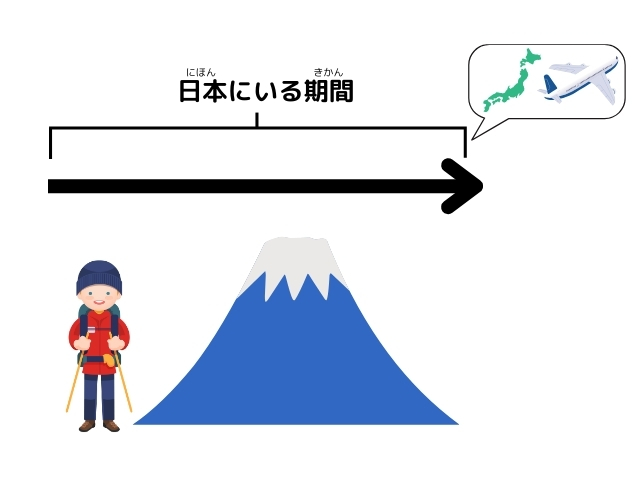
◯ 日本にいるあいだに富士山に登りたいです。
◯ 日本にいるうちに富士山に登りたいです。
While I’m in Japan, I want to climb Mt. Fuji.
Both sentences are natural, but their nuances are slightly different. “〜あいだに” means that I want to climb Mt. Fuji at some point during my stay in Japan. In contrast, “〜うちに” includes the feeling that I want to climb it before I leave Japan and that I do not want to miss this chance.
Examples where “〜あいだに” sounds natural
[Example]
◯ 電車を待っているあいだにジュースを飲みました。
× 電車を待っているうちにジュースを飲みました。
While waiting for the train, I drank some juice.
Here, “〜あいだに” sounds natural. “Waiting for the train” is a relatively clear and short period of time, and the action “drinking some juice” happens at one point during that time.
Let’s look at some more examples.
[Example]
◯ 昼休憩のあいだに銀行へ行きました。
× 昼休憩のうちに銀行へ行きました。
During the lunch break, I went to the bank.
⇒ This is natural with “〜あいだに” because the action takes place within the clearly defined time frame of a lunch break.
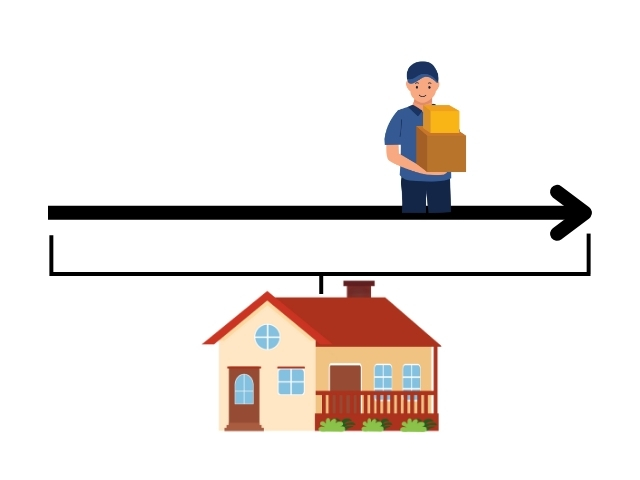
わたしが留守のあいだに宅配が来たようです。
It seems that a delivery arrived while I was out.
⇒ This shows that the delivery came at some point during the time I was away.
Summary
[AあいだにB]
- B happens at some point during the time period A.
- It is easy to use with relatively clear times or periods.
- It expresses an action done or an event that happened within that time.
[AうちにB]
- B is done while the state A is continuing.
- It often includes the feeling of doing something before that state changes.
- It can also express an unnoticed change or an unexpected result that happens while A is going on.
Quiz
Read the following sentence and choose the expression that fits the context from the options provided in the parentheses.
Click on the question to check the answer.
A. うちに
父が元気なうちに家族で旅行に行こう。
While my father is still healthy, let’s take a family trip.
*“元気な” is not a clearly defined period of time. It also includes the feeling of not wanting to miss the chance to travel with him, so “うちに” is the natural choice.
A. あいだに
春休みのあいだに旅行でも行こうかな。
During spring break, maybe I’ll go on a trip.
*“The spring break” is a clearly defined period, so “あいだに” is the natural choice.
A. うちに
料理が冷めないうちに食べてくださいね。
Please eat the food before it gets cold.
*This is used with the ない form of a verb that shows change. It also includes the feeling of wanting someone to eat it while it is still warm, so “うちに” is the natural choice.
A. あいだに
旅行しているあいだに家に泥棒が入りました。
While we were traveling, a burglar broke into our house.
*This expresses that the burglar broke in at some point during the period of traveling, so “あいだに” is the natural choice.
Similar Articles
- JLPT N3・N4 Grammar – The difference between “〜あいだに”and “〜うちに”
- A Complete Guide to Using “〜じゃん” in Casual Conversations
- JLPT N4 Grammar – The difference between”〜みたいな” and “〜みたいに”
- JLPT N2・N3 Grammar – The difference between “〜恐れがある” and “〜かねない”
- JLPT N4 Grammar – The difference between “〜ようにする” and “〜ことにする”
▼ Subscribe to Our Newsletter ▼
Receive free tips for learning Japanese!


